 Image 1 of 1
6TH-8TH GRADE PRESTIGIOUS SCHOLARS INDEPENDENT LIFE SKILLS PROGRAM" LAUNCHING FALL OF 2026" CALL FOR PRICING
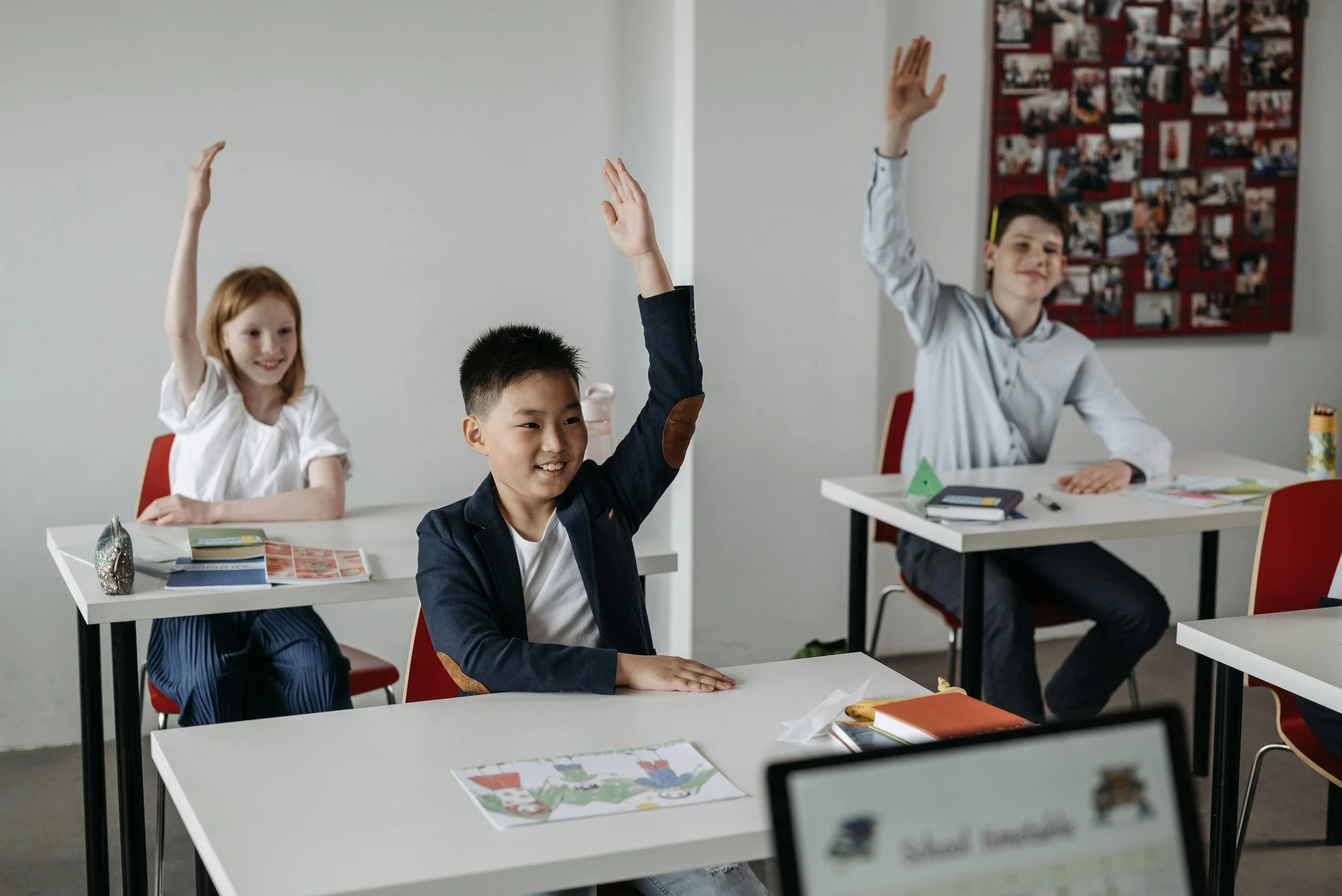
Prestigious Scholars LLC program for 6th-8th graders, focuses on the specific developmental transition this age group faces—moving from teacher-led to independent learning.
Below is a structured pitch including objectives, curriculum topics, and high-impact activities.
Program Title: "Mastering the Middle"The Independence Project"
Objective: To empower 6th -8th graders with the self-management and social-emotional tools needed to navigate the increased academic and social complexities of middle school.
1. Why This Program? (The "Need")
Middle schoolers are often "tweeners"—no longer children but not yet full teenagers. They face a "fragmented" school structure with multiple teachers, larger campuses, and higher academic expectations that require strong executive function.
The "Stress Gap": Teens' average stress level is 5.8/10, significantly higher than the healthy adult maximum of 3.9.
Independence Gap: While students crave autonomy, they often lack the tools for time management and conflict resolution.
CURRICULUM EXAMPLES
1.TIME MANAGEMENT AND CLASSROOM ETIQUETTE
2.DECISION MAKING AND SELF ADVOCACY
3.HOME ETIQUETTE AND HOUSEHOLD MANAGEMENT
4.PERSONAL HYGINE
CURRICULUM OVERVIEW
1.TIME MANAGEMENT AND CLASSROOM ETIQUETTE
TIME MANAGEMENT:Time management is the process of planning and controlling how much time you spend on specific activities to increase efficiency and productivity.
PROPER CLASSROOM ETIQUETTE:Proper classroom etiquette focuses on respect, responsibility, and minimizing disruptions to foster a positive learning environment. Key behaviors include arriving on time, listening attentively when others speak, raising hands to participate, using polite language, keeping workspaces clean, and turning off electronic devices.
2.DECISION MAKING AND SELF ADVOCACY
DECISION MAKING:Decision-making is the cognitive process where young people learn to analyze situations, anticipate consequences, and choose actions that align with their long-term well-being rather than immediate impulses.
SELF ADVOCACY:Self-advocacy for youth is the ability to effectively communicate one's own needs, rights, and goals, and to make informed decisions about one’s own life. It means moving from having adults speak for you to speaking confidently for yourself.
3.HOME ETIQUETTE AND HOUSEHOLD MANAGEMENT
HOME ETIQUETTE:Proper home etiquette for youth revolves around respect, responsibility, and safety, focusing on contributing to the household rather than just occupying space.
HOUSEHOLD MANAGEMENT:Proper home etiquette and household managementinvolves respecting shared spaces by cleaning up immediately, asking permission before borrowing items, and keeping personal areas tidy to minimize clutter. Key habits include knocking on doors, using "inside voices," not jumping on furniture, and contributing to household chores. Teaching these habits helps create a respectful and functional home environmentProper home etiquette involves respecting shared spaces by cleaning up personal messes immediately, asking permission before using others' belongings, and contributing to chores. Key practices include keeping personal rooms tidy, treating furniture with care, keeping food in designated areas, and using polite communication.
4.PERSONAL HYGINE
Developing good hygiene habits is essential for maintaining overall health and wellbeing. Practicing proper hygiene helps prevent the spread of illness, boosts self confidence, and promotes a positive self-image.
PROPER PERSONAL HYGINE TOPICS,Regular Handwashing,Daily Bathing,Brushing and Flossing Teeth,Wearing Clean Clothes
Keeping Personal Items Clean.
Hands-On Project Ideas
Research shows middle schoolers learn life skills best through project-based learning.
Key Program Features:
In Person Hands-On Activities: Life Skills workshops feature simulations.
Actionable Takeaways: Students leave with different resources.
Expert Instructors: Utilizing community experts to teach specific modules.
Prestigious Scholars LLC program for 6th-8th graders, focuses on the specific developmental transition this age group faces—moving from teacher-led to independent learning.
Below is a structured pitch including objectives, curriculum topics, and high-impact activities.
Program Title: "Mastering the Middle"The Independence Project"
Objective: To empower 6th -8th graders with the self-management and social-emotional tools needed to navigate the increased academic and social complexities of middle school.
1. Why This Program? (The "Need")
Middle schoolers are often "tweeners"—no longer children but not yet full teenagers. They face a "fragmented" school structure with multiple teachers, larger campuses, and higher academic expectations that require strong executive function.
The "Stress Gap": Teens' average stress level is 5.8/10, significantly higher than the healthy adult maximum of 3.9.
Independence Gap: While students crave autonomy, they often lack the tools for time management and conflict resolution.
CURRICULUM EXAMPLES
1.TIME MANAGEMENT AND CLASSROOM ETIQUETTE
2.DECISION MAKING AND SELF ADVOCACY
3.HOME ETIQUETTE AND HOUSEHOLD MANAGEMENT
4.PERSONAL HYGINE
CURRICULUM OVERVIEW
1.TIME MANAGEMENT AND CLASSROOM ETIQUETTE
TIME MANAGEMENT:Time management is the process of planning and controlling how much time you spend on specific activities to increase efficiency and productivity.
PROPER CLASSROOM ETIQUETTE:Proper classroom etiquette focuses on respect, responsibility, and minimizing disruptions to foster a positive learning environment. Key behaviors include arriving on time, listening attentively when others speak, raising hands to participate, using polite language, keeping workspaces clean, and turning off electronic devices.
2.DECISION MAKING AND SELF ADVOCACY
DECISION MAKING:Decision-making is the cognitive process where young people learn to analyze situations, anticipate consequences, and choose actions that align with their long-term well-being rather than immediate impulses.
SELF ADVOCACY:Self-advocacy for youth is the ability to effectively communicate one's own needs, rights, and goals, and to make informed decisions about one’s own life. It means moving from having adults speak for you to speaking confidently for yourself.
3.HOME ETIQUETTE AND HOUSEHOLD MANAGEMENT
HOME ETIQUETTE:Proper home etiquette for youth revolves around respect, responsibility, and safety, focusing on contributing to the household rather than just occupying space.
HOUSEHOLD MANAGEMENT:Proper home etiquette and household managementinvolves respecting shared spaces by cleaning up immediately, asking permission before borrowing items, and keeping personal areas tidy to minimize clutter. Key habits include knocking on doors, using "inside voices," not jumping on furniture, and contributing to household chores. Teaching these habits helps create a respectful and functional home environmentProper home etiquette involves respecting shared spaces by cleaning up personal messes immediately, asking permission before using others' belongings, and contributing to chores. Key practices include keeping personal rooms tidy, treating furniture with care, keeping food in designated areas, and using polite communication.
4.PERSONAL HYGINE
Developing good hygiene habits is essential for maintaining overall health and wellbeing. Practicing proper hygiene helps prevent the spread of illness, boosts self confidence, and promotes a positive self-image.
PROPER PERSONAL HYGINE TOPICS,Regular Handwashing,Daily Bathing,Brushing and Flossing Teeth,Wearing Clean Clothes
Keeping Personal Items Clean.
Hands-On Project Ideas
Research shows middle schoolers learn life skills best through project-based learning.
Key Program Features:
In Person Hands-On Activities: Life Skills workshops feature simulations.
Actionable Takeaways: Students leave with different resources.
Expert Instructors: Utilizing community experts to teach specific modules.